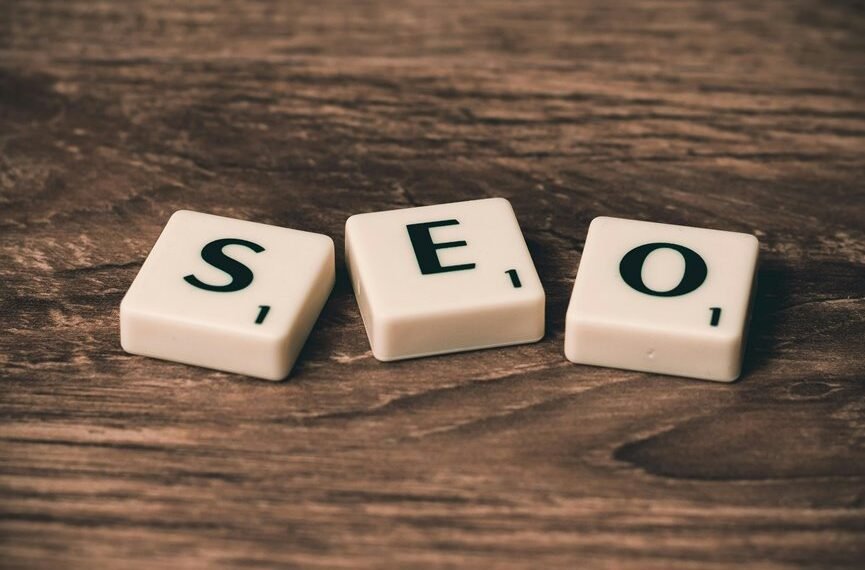
Digital Traffic 641009316 highlights the critical role of on-page SEO in enhancing website visibility. It emphasizes strategic optimization of elements like keyword placement and meta tags. By aligning content with user intent, websites can foster higher engagement rates. However, the ever-changing nature of search engine algorithms necessitates ongoing improvement in on-page practices. This raises questions about the specific strategies that can be employed to adapt effectively and maintain competitiveness in the digital arena.
Understand On-Page SEO and Its Importance
On-page SEO serves as a critical foundation for any successful digital marketing strategy.
It encompasses the practices that enhance a website’s visibility to search engines, directly impacting its ranking factors.
Optimize Key On-Page SEO Elements
Effective optimization of key on-page SEO elements is essential for enhancing a website’s search engine performance.
Strategic keyword placement within content, headings, and image alt texts ensures relevance and improves visibility.
Additionally, crafting compelling meta tags—titles and descriptions—enhances click-through rates by providing clear context to users.
Mastering these elements empowers webmasters to create a liberated online presence that aligns with search engine algorithms.
Make Your Content Click With User Intent
Understanding user intent is fundamental to creating content that resonates with target audiences and drives engagement.
A strategic content strategy must identify the motivations behind search queries, ensuring that the produced material aligns with users’ needs.
Ongoing On-Page SEO Improvement Tips
As the digital landscape evolves, continuous enhancement of website elements becomes essential for maintaining competitive search visibility.
Implementing ongoing keyword research ensures alignment with user search intent, while prioritizing content freshness keeps audience engagement high.
Regularly updating meta tags and optimizing images further supports search engine rankings.
These strategic practices allow websites to adapt, thrive, and ultimately provide freedom in reaching target demographics effectively.
Conclusion
In conclusion, mastering on-page SEO is crucial for enhancing digital traffic, as evidenced by the fact that 70% of marketers report that SEO is more effective than PPC for generating sales. By optimizing key elements such as keyword placement and meta tags, alongside understanding user intent, websites can significantly improve their visibility and engagement. Continuous adaptation to evolving SEO practices is essential for maintaining a competitive edge in the dynamic digital landscape, ensuring sustained organic growth.


 By
By